Alfresco Heating: Transforming Outdoor Spaces into Year-Round Retreats
As the desire for outdoor living areas continues to grow, alfresco heating solutions have actually become progressively popular amongst property owners and organizations alike. With the best heating system, any patio, terrace, or garden can be changed into a year-round retreat, allowing people to enjoy their outdoor spaces, despite the season. This post explores the different types of alfresco heating, their advantages, factors to consider for installation, and regularly asked questions about these systems.
Types of Alfresco Heating
When it concerns heating outdoor areas, numerous options are available. Each type presents distinct benefits, depending on the space to be heated up and the particular requirements of the user.
1. Electric Outdoor Heaters
- Description: These heaters utilize electric power to produce heat. They can be installed on walls, ceilings, or utilized as portable systems.
- Benefits:
- Easy to install and operate.
- No requirement for gas lines or refueling.
- Usually lower initial expenses.
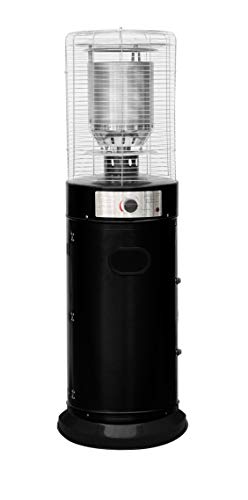
2. Gas Patio Heaters
- Description: Gas heaters normally utilize propane or natural gas and can be freestanding or installed.
- Advantages:
- Provide instant heat.
- Ideal for bigger outdoor areas.
- Visual appeal with models looking like outdoor fire pits.
3. Infrared Heaters
- Description: These heaters radiate heat directly to things and individuals instead of warming the air. They can be electric or gas-powered.
- Advantages:
- Highly efficient, as little heat is lost to wind.
- Ideal for drafty areas.
- Quiet operation.
4. Fire Pits and Outdoor Fireplaces
- Description: Traditional fire pits or built-in outdoor fireplaces supply a comfortable environment while offering heat.
- Benefits:
- Create a centerpiece for celebrations.
- Eco-friendly.
5. Radiant Heating Systems
- Description: Installed beneath surfaces like decks or patio areas, these systems heat up the floor, developing warmth in the space above.
- Advantages:
- Invisible heating option.
- Supplies even heat circulation.
| Heating Type | Energy Source | Setup Cost | Heating Efficiency |
|---|---|---|---|
| Electric Outdoor Heaters | Electric | Low to Moderate | Moderate |
| Gas Patio Heaters | Propane/Natural Gas | Moderate to High | High |
| Infrared Heaters | Electric/Gas | Low to Moderate | Extremely High |
| Fire Pits/Outdoor Fireplaces | Wood/Gas | Moderate to High | Varies |
| Radiant Heating Systems | Electric/Gas | High | Extremely High |
Advantages of Alfresco Heating
Buying alfresco heating can considerably boost outdoor experiences. Think about the following advantages:
- Extended Usability: Alfresco heating makes outdoor areas usable throughout the year, even throughout chillier months.
- Increased Comfort: By preserving a comfy temperature level, individuals can take pleasure in outdoor meals, events, or peaceful moments without being hindered by the cold air.
- Boosted Property Value: Welcoming outdoor spaces can increase the worth of a residential or commercial property, making it an attractive function for potential buyers.
- Environmentally Friendly: Many alfresco heating solutions, especially gas and wood options, can have a lower carbon footprint compared to conventional heating methods.
- Flexibility: With numerous styles offered, alfresco heaters can match various outdoor themes and settings.
Factors to consider for Installation
While alfresco heating presents numerous advantages, specific factors should be considered before installation:
- Size of the Area: Assess how much space requires heating. Bigger locations might need multiple heating systems.
- Heating Requirements: Different heating types have varying heating capacities. Figure out the proper type based upon your needs.
- Setup Location: Evaluate where to install heating units. Aspects such as wind direction, outdoor furniture arrangement, and patio covers can affect performance.
- Fuel Source: Choose a heating choice based on readily available fuel sources (gas, electrical energy, wood) and the associated expenses.
- Regional Regulations: Be mindful of regional ordinances regarding outdoor heating, specifically concerning gas fire pits or open flames.
FAQs about Alfresco Heating
1. How do I pick the best outdoor heater for my space?
Picking the right outdoor heater depends upon a number of factors consisting of the size of the area, the wanted heating capability, and your budget plan. Evaluate your particular requirements and think about talking to a heating expert for suggestions.
2. Are electrical heaters more energy-efficient than gas heaters?
Generally, electrical outdoor heaters are more efficient as they transform many of their energy into heat. However, the energy sources and expenses can affect overall efficiency, so consider the regional electricity and gas rates.
3. Can I use indoor heating solutions outdoors?
No, indoor heating solutions are not created for outdoor use and can present safety threats when exposed to the components. Always choose visit website created for outdoor conditions.
4. How do I preserve my outdoor heating system?
Maintenance will differ based on the kind of heater. A lot of electric heaters need little to no upkeep, while gas heaters may require routine assessment of the gas line and burner assemblies. Follow the manufacturer's standards for specific upkeep tips.
5. Is alfresco heating safe?
Yes, when set up and used correctly, alfresco heating systems are safe. Constantly follow the maker's guidelines, and keep flammable materials away from heating sources.
Alfresco heating can substantially boost outdoor home, enabling pleasure no matter the season. By understanding the different heating options, their advantages, and installation considerations, homeowners and business operators can produce inviting and comfortable outdoor environments. Whether it's for hosting gatherings or delighting in peaceful evenings under the stars, the best heating option can transform outdoor areas into a real retreat.